Embarking on the exhilarating journey of pickleball demands an initial understanding of essential equipment, a consideration often overlooked by enthusiastic newcomers. While the accompanying video expertly introduces the foundational gear required for entry into the sport, a deeper exploration into the nuanced specifications and strategic selection criteria for these items can significantly enhance a player’s initial experience and long-term enjoyment. The challenge for many prospective players involves navigating the vast array of available products, ensuring informed decisions are made without succumbing to unnecessary expenditures or overlooking critical safety provisions. This detailed guide aims to elucidate the sophisticated considerations behind choosing your first pickleball paddle, selecting appropriate balls, and identifying the indispensable court shoe.
Understanding Pickleball Paddle Dynamics for New Players
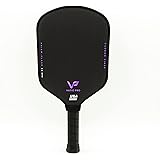
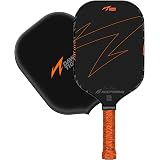
The selection of a suitable pickleball paddle frequently presents the most significant hurdle for individuals new to the sport, given the overwhelming number of options currently saturating the market. It is widely acknowledged that a paddle’s price point often correlates directly with its material quality and manufacturing precision, rather than merely indicating suitability for advanced players. For those committing to pickleball for the first time, an investment in a paddle priced under $100 is generally advised, providing an excellent balance of functionality and economic practicality. These entry-level paddles are constructed to offer sufficient power and control for developing fundamental skills, allowing new players to acclimate to the game’s unique rhythm and strategy without undue financial pressure.
Higher-priced paddles, such as those reaching $250, typically feature advanced materials like proprietary carbon fiber composites and more sophisticated polymer cores, which contribute to enhanced durability, superior shot consistency, and refined tactile feedback. The superior construction of these premium paddles means they are engineered to withstand rigorous play over extended periods, often lasting between six to twelve months of frequent use before noticeable performance degradation occurs. While a $50 paddle may offer an adequate introduction to the sport, its construction typically involves less durable materials, leading to a potentially shorter lifespan and a more limited capacity for advanced shot manipulation. Understanding these distinctions is paramount for making a strategic purchase that aligns with both current skill level and future athletic aspirations within the sport.
Decoding Paddle Construction: Core and Surface Materials
The internal structure of a pickleball paddle, often referred to as its core, plays a pivotal role in dictating the paddle’s overall feel, power, and control characteristics. Honeycomb polymer cores, the most prevalent type, are appreciated for their balanced performance and sound-dampening qualities, making them highly suitable for a broad spectrum of players. Nomex cores, once popular, are known for their dense, powerful feel but tend to be louder, while aluminum cores offer a unique blend of rigidity and control. The material used for the paddle’s surface also significantly influences ball spin, power generation, and impact absorption. Fiberglass surfaces are typically found on more affordable paddles, providing a solid feel and adequate power, whereas graphite or carbon fiber surfaces offer a lighter weight, increased stiffness, and enhanced texture for improved spin manipulation and touch shots. These material choices collectively determine a paddle’s capacity to deliver nuanced performance attributes, from forgiving responsiveness to aggressive shot-making potential.
Navigating Pickleball Ball Varieties: Indoor vs. Outdoor Considerations
The selection of pickleball balls, though seemingly straightforward, introduces a critical distinction between those designed for indoor play and those optimized for outdoor environments. It must be emphasized that the “indoor” designation refers primarily to the playing surface, such as the smooth, polished gymnasium floors commonly found in recreation centers, rather than implying play occurs exclusively under a roof. Indoor balls are typically softer, possess larger holes, and exhibit a slower, more predictable bounce, which is ideal for less abrasive surfaces. Conversely, outdoor pickleball balls are constructed from a harder plastic, feature smaller, more numerous holes, and are engineered for greater durability and a truer bounce on the rough, gritty texture of asphalt or concrete courts. These characteristics allow them to better withstand the wear and tear of outdoor conditions and perform consistently despite varying environmental factors.
Among the multitude of options, certain brands and models have established themselves as industry standards due to their consistent performance and widespread acceptance. The Franklin X-40 ball is widely regarded as an excellent starting point for new players, frequently being the preferred choice for both casual play and competitive matches due to its reliable flight path and consistent bounce. Other notable options include the Dura Fast 40, often simply termed the Dura Ball, recognized for its exceptional durability and consistent flight, making it a favorite in tournament play. The Selkirk Pro S1 also commands respect for its premium feel and robust construction. When uncertainty arises regarding the predominant playing environment, opting for an outdoor pickleball is generally recommended due to its greater versatility and resilience across various court conditions, ensuring a more consistent playing experience regardless of location.
The Indispensable Role of Court Shoes in Pickleball Safety
The importance of wearing appropriate court shoes cannot be overstated, as they represent a critical element of player safety and performance in pickleball. While the comfort and familiarity of running shoes might initially appeal to new participants, their fundamental design is ill-suited for the lateral movements, rapid direction changes, and sudden stops intrinsic to pickleball. Running shoes are engineered primarily for forward motion, offering substantial cushioning in the forefoot and heel, which provides excellent shock absorption during linear strides but lacks the necessary lateral support. This inherent softness and flexibility in a running shoe’s sole can easily lead to ankle instability, significantly increasing the risk of painful inversion injuries during abrupt pivots or aggressive side-to-side movements.
In stark contrast, dedicated court shoes are meticulously designed with biomechanical principles specifically tailored for racquet sports. A distinguishing feature is the inclusion of a rigid plastic component, commonly referred to as a “shank,” which extends from the midfoot and often integrates with a “heel counter” that wraps around the heel. This robust construction is intentionally rigid, providing crucial torsional stability that prevents the foot from twisting excessively within the shoe during dynamic court movements. Such structural integrity ensures the ankle remains properly supported and aligned, even during high-impact lateral slides or sudden directional shifts. Investing in a quality pair of court shoes, with prices typically ranging from $60 to $170, is therefore not merely a matter of enhanced performance but an essential proactive measure to safeguard against common pickleball-related injuries. Prioritizing safety through proper footwear is a foundational step toward a sustainable and enjoyable pickleball journey, transcending the temporary comfort offered by inappropriate athletic footwear.
From Paddle to Play: Your Pickleball Q&A
What essential equipment do I need to start playing pickleball?
To begin playing pickleball, you primarily need a pickleball paddle, appropriate pickleball balls (indoor or outdoor), and dedicated court shoes for safety and support.
How much should I expect to pay for my first pickleball paddle?
For new players, it’s generally advised to choose a paddle priced under $100. These paddles offer a good balance of functionality and affordability for learning the game.
Are there different types of pickleball balls?
Yes, pickleball balls come in indoor and outdoor varieties. Indoor balls are softer with larger holes for smooth surfaces, while outdoor balls are harder with smaller holes, designed for durability on rougher courts.
Why is it important to wear court shoes instead of running shoes for pickleball?
Running shoes are built for forward motion and lack the lateral support needed for pickleball’s quick side-to-side movements, which can increase the risk of ankle injuries. Dedicated court shoes provide the necessary stability and support.