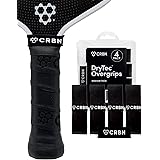
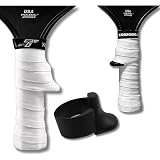
Enhancing your pickleball paddle can significantly improve your game. One simple yet powerful upgrade is adding an overgrip. As seen in the video above, applying an overgrip might take a few attempts to master. Yet, the benefits of a well-applied overgrip are undeniable. Many players consider this small customization a must-have. It offers improved comfort and better control on the court. Proper grip management is crucial for every pickleball enthusiast.
Pickleball paddles come with a factory grip. These grips are often basic in design. They might not suit every player’s specific needs. Adding an overgrip changes the paddle’s feel. It creates a custom fit for your hand. This simple addition can prevent slippage. It also helps manage sweat effectively. Consider your playing style and hand size. An overgrip ensures your paddle feels just right. This small change leads to a big difference in performance.
Why a Pickleball Overgrip Is Essential for Every Player
An overgrip offers numerous advantages to pickleball players. It wraps around your existing paddle grip. This addition serves multiple crucial functions. Firstly, it enhances your hold on the paddle. A secure grip prevents unwanted slips during rallies. Secondly, overgrips absorb moisture. Sweaty hands are a common issue. They reduce friction and control. Overgrips wick away sweat efficiently. This keeps your hand dry and steady. Improved control translates to better shots.
Furthermore, overgrips can adjust your paddle’s grip size. Players often find factory grips too small or too large. An overgrip adds a slight circumference. This creates a more comfortable fit. A proper grip size reduces strain on your hand and wrist. It also prevents fatigue during long matches. This customization is vital for injury prevention. It allows you to play your best game for longer periods. It is a smart investment in your pickleball experience.
Improving Paddle Feel and Comfort with an Overgrip
The feel of your paddle is very personal. A good overgrip dramatically improves this sensation. It adds a soft, tacky layer to your handle. This cushioning effect reduces vibrations. It also makes holding the paddle more pleasant. Different overgrips offer varying levels of tackiness. Some are designed for maximum stickiness. Others prioritize a smoother touch. Experiment to find your perfect match. The right feel boosts confidence. It allows for more precise paddle movements. Your hand will appreciate the added comfort.
Comfort is key for consistent play. An uncomfortable grip can be distracting. It leads to tension in your arm and shoulder. An overgrip mitigates these issues. It provides a consistent surface. This surface remains reliable throughout your game. This prevents shifts or twists in your hand. Many players report less hand fatigue. They also experience fewer blisters with an overgrip. Prioritizing comfort helps focus on the game. It allows for a more enjoyable playing experience.
Choosing the Right Overgrip for Your Game
Selecting an overgrip involves several considerations. Material type is a primary factor. Synthetic materials like polyurethane are common. These offer good durability and sweat absorption. Some overgrips feature perforations. These holes enhance breathability. They also improve moisture wicking. Think about your local climate. Players in humid conditions might need more absorbent options. Those in dry areas might prefer a tackier feel. Consider your personal preferences carefully.
Thickness also plays an important role. Thinner overgrips maintain more of the original grip feel. Thicker ones add noticeable padding. They also increase grip circumference more. Color choices, like the purple used in the video, allow for personalization. This lets your paddle stand out on the court. Brand reputation can also guide your choice. Many sports brands offer quality overgrips. Reading reviews can help you decide. Ultimately, the best overgrip feels right in your hand.
Applying Your Pickleball Overgrip: Tips for Success
Applying an overgrip might seem daunting at first. The video shows it can take a few tries. Patience and practice are your best friends. Most overgrips come with a tapered end. This end usually has an adhesive strip. Start wrapping from the butt cap of your paddle. Align the tapered end flush with the butt cap. Peel off the adhesive backing as you go. This secures the initial placement.
Wrap the overgrip tightly and evenly. Each wrap should slightly overlap the previous one. Aim for about a 1/8 to 1/4 inch overlap. This creates a smooth, consistent surface. Maintain constant tension as you wrap. This prevents air bubbles and loose spots. When you reach the top, cut off any excess material. Many overgrips come with a finishing tape. Use this tape to secure the end. This prevents unraveling during play. Your pickleball overgrip is now ready for action.
Maintenance and Replacement of Your Overgrip
Even the best overgrips wear down over time. Regular maintenance extends their life. After each game, wipe your overgrip clean. A damp cloth can remove dirt and sweat. Let it air dry completely afterwards. This prevents odor and grime buildup. Storing your paddle properly helps too. Avoid extreme temperatures or direct sunlight. These conditions can degrade the overgrip material. Protecting your gear ensures longevity.
Knowing when to replace your overgrip is crucial. Signs of wear include loss of tackiness. Fraying edges or worn-down sections are also indicators. If your hand slips, it’s time for a new one. A dirty or stiff overgrip reduces performance. Most active players replace their overgrip every few weeks. Casual players might do so every few months. Fresh overgrips keep your paddle performing optimally. This simple replacement maintains your competitive edge. It ensures peak performance for your pickleball overgrip.
Don’t Slip Up: Your Overgrip Q&A
What is a pickleball overgrip?
An overgrip is a thin, usually tacky, wrap that you apply over your paddle’s existing handle grip. It enhances your grip and comfort during play.
Why should I use an overgrip on my pickleball paddle?
Overgrips improve comfort and control, help prevent your hand from slipping due to sweat, and can adjust the feel and size of your paddle’s handle.
How does an overgrip help if my hands get sweaty during pickleball?
Overgrips are designed to absorb moisture and wick away sweat, keeping your hands dry and maintaining a steady, secure grip on your paddle.
Can an overgrip make my paddle’s handle a different size?
Yes, adding an overgrip can slightly increase your paddle’s grip circumference, helping to create a more comfortable and custom fit for your hand.
How often should I replace my pickleball overgrip?
You should replace your overgrip when it loses its tackiness, starts to fray, or feels dirty and stiff, which for active players might be every few weeks.