Pickleball has exploded in popularity! Over 5 million Americans now enjoy this fun, accessible paddle sport. Yet, with millions more discovering the game, understanding the core pickleball rules remains a common challenge. If you’ve just watched the helpful video above, you’re already on your way to mastering the basics. This guide expands on those fundamentals, ensuring you step onto the court with confidence and a clear grasp of how to play pickleball.
Understanding the Basics of Pickleball
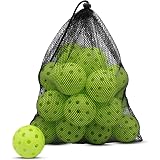
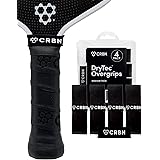
Pickleball is a dynamic paddle sport. It blends elements from tennis, badminton, and table tennis. The game uses a solid paddle, larger than a ping-pong paddle. You hit a plastic, perforated ball, often called a whiffle ball.
The Pickleball Court: Your Playing Field
A pickleball court is smaller than a tennis court. You can fit four pickleball courts onto one tennis court! Its precise dimensions are 44 feet long by 20 feet wide. This court is divided into distinct zones.
- Right Box: The service area on the right side.
- Left Box: The service area on the left side.
- The Kitchen (Non-Volley Zone): This critical area extends 7 feet from the net on each side. Knowing its rules is key to playing well.
The game plays to 11 points. You must win by at least two points. This simple scoring goal drives every match.
Essential Pickleball Rules for Beginners
Playing pickleball involves a few core rules. These rules are easy to learn. They make the game fair and exciting. Let’s break them down.
1. The Serve: Getting the Game Started
The serve begins every rally in pickleball. Following specific serving rules is vital. It ensures a legal and fair start.
Your feet must be behind the baseline. One foot can lift. But one foot must stay on the ground. You cannot jump when you serve. This keeps the serve consistent.
You must serve underhand. The paddle face must strike the ball. This contact point must be below your wrist. It also must be below your waist. This underhand motion is a signature of pickleball. It encourages rallies and makes the game less power-dominant.
A “drop serve” is also allowed. With a drop serve, you simply drop the ball. You then hit it after it bounces. The ball must drop naturally. You cannot throw it down. This rule simplifies the underhand motion requirements. It is a great option for new players.
The served ball must travel diagonally. It must land in the opponent’s service box. This is the box opposite yours. The ball must clear the kitchen line. If it lands on the kitchen line, it is a fault. But if it hits any other service line, it is a good serve. This provides a clear target for servers.
2. The Two-Bounce Rule: Setting the Pace
This rule is unique to pickleball. It often confuses tennis players. The “two-bounce rule” states the ball must bounce once on each side. This must happen before either team can volley the ball.
- The serving team hits the ball over. It must bounce on the receiving team’s side.
- The receiving team returns the serve. It must bounce on the serving team’s side.
After these two bounces, players can hit volleys. A volley means hitting the ball out of the air. This rule forces players to stay back initially. It prevents an aggressive “serve and volley” strategy. This promotes longer rallies. It also encourages strategic play from the baseline. This rule ensures fairness. Both teams get a chance to establish position. It prevents a dominant server from ending points too quickly.
3. Navigating the Kitchen (Non-Volley Zone) Rules
The kitchen is the 7-foot area. It sits on each side of the net. This zone is crucial. It is the most misunderstood rule for beginners. Players call it the “non-volley zone” for a clear reason. You cannot hit a volley while standing in the kitchen.
Here are the key kitchen rules:
- No Volleying in the Kitchen: You cannot hit the ball out of the air. Your feet cannot touch the kitchen line. They also cannot be inside the kitchen. Your feet can hover above the line. But they cannot make contact.
- Momentum Matters: If you volley the ball, your momentum cannot carry you into the kitchen. This includes falling forward after the shot. If it does, it is a fault. This applies even if the ball is dead. Stay behind the line!
- Bounced Balls are Fair Game: If the ball bounces in the kitchen, you can enter. You can step into the kitchen. You can hit the ball after it bounces. You do not need to wait for the bounce. You can anticipate it. Stepping in early is often smart. But remember to exit the kitchen immediately. Get both feet back behind the line. This allows you to volley any return legally.
The kitchen rule prevents players from crowding the net. It encourages strategic dinks and drops. It creates a unique challenge. This rule is what gives pickleball its distinct flavor.
How Pickleball Scoring Works in Doubles
Pickleball scoring can seem tricky. Especially for new players. But it is straightforward once you understand it. The video highlights this complexity. Let’s simplify the scoring system.
Points Only on Serve
You can only score points when your team serves. This is a fundamental rule. If the non-serving team wins a rally, no point is scored. Instead, the serve switches. This is called a “side out.”
The Three-Number Score Explained
In doubles pickleball, the score uses three numbers:
- Your Team’s Score: The points your team has earned.
- Opponent’s Score: The points the other team has earned.
- Server Number: This number is either ‘1’ or ‘2’. It tells you which player on your team is serving. This is the part that often confuses beginners.
Example: A score of 5-3-1 means your team has 5 points. The opponents have 3 points. The first server on your team is currently serving.
Server Progression and Side Outs
The game starts with a unique rule. The initial score is 0-0-2. This means the second server on the starting team serves first. This exception aims to reduce the serving team’s initial advantage.
Here’s how serving progresses:
- First Server (1): The first player on your team serves. If they win the point, they switch sides with their partner. They continue serving. If they lose the point, the serve goes to their partner.
- Second Server (2): The second player on your team serves. If they win the point, they switch sides and continue serving. If they lose the point, a “side out” occurs.
A “side out” means your team’s possession ends. Both players on your team have had a chance to serve. Now, the serve switches to the opposing team. The opposing team then begins their possession. They will have two chances to serve and score points.
The “1” and “2” server roles are dynamic. The player who was in the right-hand box when the previous side out occurred becomes the “1” server for the new possession. This means a player might be the “1” at one point and the “2” at another. Always check your position on the court!
Practical Tips for Playing Your First Pickleball Game
Understanding the pickleball rules is the first step. Applying them on the court comes next. Here are some practical tips to help you get started:
- Focus on Consistency: Especially when serving. A legal serve is better than a powerful one that faults. Get the ball in play often.
- Communicate with Your Partner: In doubles, teamwork is essential. Call out balls (“Mine!”, “Yours!”, “Out!”). This prevents confusion and improves play.
- Stay Out of the Kitchen (Mostly): Resist the urge to volley from the non-volley zone. Unless the ball bounces, keep your feet behind the line. This prevents common faults.
- Practice Your Dinks: Dinks are soft shots. They land just over the net in the opponent’s kitchen. They are a core pickleball strategy. They force opponents to hit up.
- Be Patient: Rallies can be long. Do not rush to hit a winner. Wait for the right opportunity. Keep the ball in play.
- Have Fun: Pickleball is a social sport. Enjoy the game. Enjoy the camaraderie. Everyone started as a beginner!
With these foundational pickleball rules, you are well-equipped. You can enjoy your next game. Get out there and play!
Serving Up Solutions: Your Pickleball Questions Answered
What is pickleball?
Pickleball is a paddle sport that blends elements from tennis, badminton, and table tennis. Players use a solid paddle to hit a plastic, perforated ball over a net.
What is ‘The Kitchen’ in pickleball?
‘The Kitchen,’ or non-volley zone, is a 7-foot area on each side of the net. Players cannot hit the ball out of the air (volley) while standing inside this area.
What is the ‘two-bounce rule’ in pickleball?
The two-bounce rule means the ball must bounce once on the serving team’s side and once on the receiving team’s side before either team can hit it as a volley. This ensures both teams have a chance to get set after the serve.
How do you score points in pickleball?
You can only score points when your team is serving. A typical game is played to 11 points, and you must win by at least two points.
How do you serve in pickleball?
To serve, you must stand behind the baseline and hit the ball underhand, with the paddle face below your wrist and waist. The ball must travel diagonally into the opponent’s service box, clearing the kitchen line.