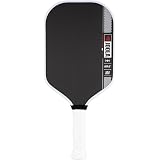
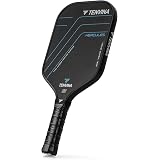
As highlighted in the accompanying video, the landscape of competitive pickleball is continuously being refined, particularly concerning equipment and accessories. For 2025, significant updates to the rules have been introduced by governing bodies such as the USA Pickleball Association (USAPA) and the Professional Pickleball Association (PPA). These revisions primarily focus on ensuring fair play, promoting player safety, and preserving the skill-based integrity of the sport. The implementation of these stricter regulations means that players must be aware of various banned pickleball accessories for 2025 that were previously commonplace or considered minor modifications. Ignoring these updated guidelines could lead to warnings, penalties, or even disqualification from tournaments.
The evolving nature of pickleball, which has seen its popularity surge globally, necessitates ongoing adjustments to official rules. This commitment to maintaining a level playing field is paramount. Therefore, understanding which modifications and accessories are now considered illegal is crucial for both seasoned competitors and those new to the tournament scene. From paddle enhancements to specific footwear and wearable technology, various items are now under scrutiny. This detailed guide aims to expand upon the video’s insights, offering a deeper understanding of these prohibitions and how to ensure your gear remains compliant.
Why Are Certain Pickleball Accessories Prohibited?
The primary motivation behind banning specific accessories in pickleball is multifaceted, centered on upholding the sport’s core values. Firstly, the prevention of unfair advantages is a cornerstone of competitive integrity. Pickleball is intended to be accessible and decided by a player’s inherent skill, strategy, and physical prowess. Equipment that significantly augments a player’s natural abilities, pushing beyond the boundaries of fair competition, is consequently restricted. It is felt that such enhancements can diminish the true test of skill, turning the focus from athletic ability to technological or material superiority.
Furthermore, player safety is a critical concern that drives many of these prohibitions. Items that could elevate the risk of injury, either for the player utilizing them or for opponents, have been meticulously evaluated and subsequently banned. This proactive approach by governing bodies like the USAPA and PPA is designed to protect athletes at every level of play, ensuring that the game remains enjoyable and secure. The 2025 regulations, therefore, represent a concerted effort to foster a competitive yet safe environment, maintaining pickleball as a sport of skill, strategy, and sportsmanship.
Understanding the 2025 Pickleball Equipment Regulations
The specific categories impacted by the 2025 regulations are extensive, covering nearly every piece of equipment a player might use. It is important for players to familiarize themselves with these nuanced changes to avoid inadvertent rule violations. The following sections break down the key areas where illegal pickleball gear has been identified, providing clarity on what is no longer permitted in official play.
Paddle Power: Prohibited Paddle Modifications
Your pickleball paddle is undeniably the most critical piece of equipment, acting as an extension of your arm on the court. However, the pursuit of an edge has led to various modifications, many of which are now explicitly banned. It is imperative that players ensure their paddles meet stringent regulatory standards.
Surface Texture Enhancements and Illegal Coatings
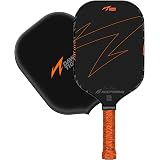
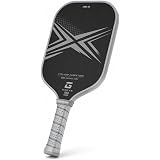
One of the most significant rule updates targets paddle surface texture. Players are no longer allowed to apply additional grit, sandpaper-like coatings, or sticky sprays to their paddle faces. These modifications were often employed to unfairly increase the spin potential of the ball, making shots significantly harder for opponents to return. The effect is akin to a baseball pitcher doctoring a ball to achieve unnatural movement; the outcome is an advantage derived from equipment alteration rather than pure skill. To maintain a level playing field, paddles must retain their factory-standard surface. Any deviation is deemed an unfair manipulation of ball dynamics, altering the natural bounce and trajectory in a way that is not intrinsic to the paddle’s design.
Weight and Core Alterations: Exceeding Official Limits
While the judicious application of small amounts of lead tape for fine-tuning a paddle’s balance is generally still allowed, excessive weight adjustments are now strictly prohibited. Paddles that exceed official weight limits, often augmented to generate more power, are not approved for tournament play. This rule prevents players from using paddles that are, in essence, engineered for raw power output beyond standard specifications. Furthermore, heat-treated paddles, which aim to alter the paddle’s core and surface interaction to generate unnatural spin and control, have also been ruled illegal. Such modifications create an artificial performance boost, bypassing the intended design parameters of regulated equipment.
Grip and Handle Restrictions: Maintaining Fair Leverage
A comfortable and secure grip is vital for control, but certain modifications to paddle grips and handles are now considered illegal. The integrity of grip performance is paramount, ensuring that no player gains an undue advantage through excessive tackiness or altered leverage.
Ultra-Sticky Grip Tapes and Substances
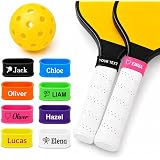
For 2025, players are prohibited from using ultra-sticky grip tapes, pine tar, or any substances that provide excessive tackiness. These materials offer an unnatural level of adhesion, making it easier for players to manipulate ball spin and placement in ways that are deemed unfair. The intention behind a grip is to provide a secure hold, not to enhance spin generation through artificial means. Using such materials would be similar to a rock climber using specialized adhesive compounds on their hands in a competition where bare hand strength is the rule, thereby circumventing the intended challenge.
Handle Length and Circumference Modifications
Additionally, modifying the handle length or circumference beyond official standards is illegal. Extending the handle can provide greater leverage, granting some players an unfair reach advantage, akin to using an overly long golf club that provides an illegal mechanical benefit. Similarly, an excessively wide grip could alter the ergonomics and control in a way that is not within the spirit of the game. Players are advised to stick to factory-approved grips and avoid any extreme alterations to ensure compliance with 2025 pickleball equipment regulations.
On-Court Attire and Gear: Banned Clothing and Accessories
Beyond paddles and grips, what a player wears and carries on the court is also subject to new regulations. These rules address both visual distractions and the use of technology to gain an unfair advantage.
Clothing That Blends with the Ball
In a surprising but logical move, clothing that closely matches the pickleball’s color is now banned in official tournaments. For instance, if a yellow pickleball is used, wearing a yellow shirt could be considered a distraction tactic, making it harder for opponents to track the ball against the player’s attire. This is akin to a tennis player wearing the exact color of the tennis ball, creating a visual camouflage. Players may be asked to change their attire if it is deemed too similar to the ball’s color, ensuring visual clarity for all participants.
High-Tech Wearable Devices and Eyewear
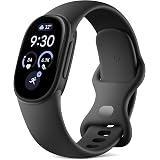
The rise of smart technology has also introduced new challenges. High-tech wearable devices that offer real-time coaching or analytics are prohibited. This includes advanced smartwatches and Bluetooth earpieces that provide live game adjustments or coaching feedback. While basic fitness trackers are generally still allowed for monitoring personal metrics, their use for strategic guidance during a match is strictly forbidden. Similarly, eyewear modifications are also restricted. Sunglasses and sports glasses featuring heads-up displays, real-time tracking features, or visual enhancement overlays are banned. These “smart glasses” could provide real-time data on ball trajectory, opponent movement, and court positioning, offering an undeniable and unfair advantage. Furthermore, excessive lens tinting that significantly alters depth perception in a way that confers an advantage is no longer permitted. Standard protective eyewear or sunglasses that comply with tournament regulations are the only acceptable options.
Footwear Follies: Illegal Shoe Enhancements
The choice of footwear carries more weight than often realized. For 2025, shoes with extreme traction-enhancing soles, spring-loaded technology, or built-in propulsion systems have been banned. These types of shoes are considered to artificially boost a player’s movement speed, reaction time, and even jumping ability—a clear unfair advantage, much like a sprinter using specialized blades in a traditional footrace. In addition, any shoes with electronic components, such as self-adjusting fit technology, built-in sensors, or microprocessors, are not allowed in competition. Players must opt for court-approved pickleball or tennis shoes that offer proper support and traction without illegal enhancements.
Wristbands and Armbands: Beyond Basic Support
Even seemingly innocuous items like sweatbands and wristbands have come under scrutiny. High-tech versions that include coaching features, vibration alerts, or shot-tracking technology are prohibited. These accessories could provide real-time strategic guidance during matches, which contravenes the rules of unassisted play. Furthermore, weighted wristbands or armbands, often designed to enhance power and control, are now illegal. While some players might have used these for added stability, they are no longer permitted, as they can artificially influence swing dynamics and power output.
The Ball and Court: Ensuring Standard Play Conditions
Fair play extends beyond personal equipment to the very tools and environment of the game itself—the pickleball and the court setup.
Unapproved Pickleballs
Not all pickleballs are created equal, and using an unapproved ball can lead to immediate disqualification. For 2025, any pickleball altered in weight, material, or aerodynamics is strictly illegal. Attempts by some players to drill additional holes, adjust the ball’s density, or apply surface coatings to change its flight pattern are now expressly banned. Tournaments mandate the use of officially approved pickleballs that meet USAPA regulations for bounce, weight, and size. It is critical to confirm that your pickleball is legal before stepping onto the court, as an altered ball could fundamentally change the game’s physics in a way that benefits one player unfairly.
Non-Regulation Nets and Court Setup
The court environment itself must also adhere to official standards. Utilizing a non-regulation net, whether it is too high, too low, or constructed with altered materials, is not permitted. Similarly, any modified net tensioning systems designed to manipulate ball rebounds are banned. Other court accessories, such as non-standard scoreboards, distracting reflective surfaces, or unauthorized line markers, are also prohibited. Ensuring that the court is meticulously set up according to official regulations helps to maintain fair play, guaranteeing that the game is played on consistent and predictable terrain for all competitors.
Staying informed about the banned pickleball accessories for 2025 is paramount for all players, regardless of their competitive level. These regulations are designed to safeguard the integrity of the sport, ensuring that skill, strategy, and sportsmanship remain at its core. If uncertainty ever arises regarding the legality of an accessory, it is always recommended to consult the latest USAPA rulebook or seek clarification from tournament officials. Playing within the established rules allows players to focus on honing their technique, enjoying the spirit of competition, and performing with confidence, knowing their equipment is tournament legal and their play is fair.
Staying Out of the Kitchen: Your Banned 2025 Pickleball Accessory Q&A
Why are there rules about pickleball equipment and accessories?
Rules are set by organizations like USA Pickleball and PPA to ensure fair play, promote player safety, and make sure games are won based on a player’s skill, not special equipment.
What kind of pickleball equipment is now banned for 2025?
Many items are banned, including certain paddle modifications, overly sticky grip tapes, high-tech wearable devices, and even clothing that closely matches the pickleball’s color.
Can I make changes to my pickleball paddle?
Significant paddle modifications are mostly banned. This includes adding grit to the surface, changing its weight too much, or heat-treating it to alter its performance. Paddles must stay factory-standard.
What happens if I use banned equipment in a pickleball tournament?
Using banned equipment in official play can result in warnings, penalties, or even disqualification from the tournament. It’s crucial to always check that your gear follows the latest rules.