Pickleball, a sport rapidly gaining traction globally, is recognized as the fastest-growing sport in the United States, captivating millions with its engaging gameplay and accessible learning curve. This surge in popularity underscores a broader interest in active, social leisure pursuits. While the accompanying video provides an excellent visual introduction to the foundational **pickleball rules** and mechanics, a deeper dive into the intricacies of gameplay, strategy, and etiquette is often beneficial for new players looking to refine their understanding. Mastering these essential **pickleball rules** facilitates smoother, more enjoyable play and a quicker transition from novice to confident competitor on the court.
Deconstructing the Pickleball Court and Core Equipment
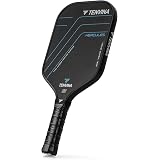
Understanding the playing environment is paramount before stepping onto the court. A standard pickleball court measures 20 feet wide by 44 feet long, dimensions identical to a badminton court, which is bisected by a net hung at 36 inches at the sidelines and 34 inches in the center. The court is further demarcated by two distinct zones: the non-volley zone (NVZ), often referred to as “the kitchen,” extending seven feet from the net on both sides, and the service boxes. Equipment selection is also straightforward; a solid-surface paddle, typically made from composites, and a plastic Wiffle ball with approximately 26-40 holes are universally utilized. The appropriate equipment ensures compliance with official standards and optimizes player performance, regardless of skill level. Furthermore, specialized footwear designed for court sports is often recommended for stability and to mitigate injury risk, supporting dynamic movements characteristic of pickleball.
The Serve: Initiating Play in Pickleball
The serve is the crucial first strike in every rally, initiating the sequence of shots that define pickleball play. According to official regulations, a legal serve must be executed with an underhand motion, where the paddle head is positioned below the wrist at the moment of contact, and the ball is struck below the waist. An alternative, the drop serve, has gained favor, allowing the server to drop the ball and then hit it after it bounces, still adhering to the underhand motion and height restrictions. It is mandated that the serve travels diagonally across the net, landing within the opposing team’s service box, which lies beyond the non-volley zone line. Failure to comply with any of these stipulations results in a fault, leading to a loss of serve or point depending on the game state. Therefore, consistent practice of serve mechanics is critical for maintaining an advantage in play.
Navigating the Two-Bounce Rule: A Foundational Principle
A distinctive feature of **pickleball rules** is the two-bounce rule, a critical regulation designed to prevent aggressive net play from dominating the early stages of a rally. This rule dictates that the ball must be allowed to bounce once on each side of the court after the serve before players are permitted to hit it out of the air (i.e., volley). Specifically, the serve must bounce once on the receiving team’s side, and the subsequent return of serve must also bounce once on the serving team’s side. After these initial two bounces, the ball may be hit either off a bounce or as a volley. This rule strategically slows down the initial exchange, allowing for a more tactical setup of points and promoting a balanced approach to offense and defense. Consequently, patience and precise shot placement are often prioritized during these opening exchanges, creating a more dynamic and engaging rally.
Mastering the Non-Volley Zone (The Kitchen): A Strategic Enclave
Perhaps the most unique and often misunderstood aspect of **pickleball rules** is the non-volley zone, affectionately known as “the kitchen.” This seven-foot area adjacent to the net is sacrosanct; a player is prohibited from volleying the ball while standing in or stepping into the NVZ, including any part of the line. Furthermore, a player’s momentum from a volley cannot carry them into the kitchen, a common infraction known as a “kitchen fault.” The intent behind this rule is to encourage strategic dinking and softer play, preventing players from aggressively smashing balls from close to the net. It is important to note, however, that a player is permitted to enter the kitchen if the ball has bounced within it, and they may stand there as long as they are not executing a volley. Reaching over the NVZ line to hit a ball that is still outside the zone is also entirely permissible, provided the player’s feet remain grounded outside the boundary. Understanding the nuances of the kitchen rule is essential for developing effective game strategy.
Decoding Pickleball Scoring: A Unique System
The scoring system in pickleball is unique and frequently presents a learning curve for newcomers. Points can only be scored by the serving team; if the serving team wins a rally, a point is awarded, and the server or serving team switches sides of the court. Conversely, if the serving team loses a rally, no point is scored, and the serve either moves to the next player on the team or results in a “side out,” where the serve transitions to the opposing team. In doubles pickleball, the score is called as three numbers: the serving team’s score, the receiving team’s score, and the server number (1 or 2). For instance, “0-0-2” is always called at the start of a doubles game, signifying that the score is zero-zero and it is the second server’s turn because the first serving team is permitted only one service turn to begin the game. After the initial side out, each team is allocated two service turns. Most games are played to 11 points, and a victory margin of at least two points is always required, ensuring a competitive finish.
Identifying and Addressing Faults in Pickleball
Various actions can constitute a fault in pickleball, leading to the cessation of the rally and a transfer of the serve or a point for the serving team. Common faults include hitting the ball out of bounds, sending the ball into the net, or allowing the ball to bounce twice on one side before being returned. Other infractions, such as an illegal serve, a foot fault (stepping on or over the baseline during a serve), or any violation of the non-volley zone rules, also result in a fault. Accurate and timely calling of “out” balls is a fundamental expectation of fair play, with the team on the side where the ball lands being responsible for making the call. Calls should be made loudly and clearly, ensuring transparency and preventing disputes. Adherence to these fault regulations is crucial for maintaining the integrity and sportsmanship of the game, fostering a respectful and competitive environment.
Beyond the Basics: Initial Strategic Considerations
Once the fundamental **pickleball rules** are understood, attention can be shifted toward developing rudimentary strategies that enhance gameplay. A common tactical approach involves hitting the third shot as a “drop shot” into the opponent’s non-volley zone, forcing them to hit up and allowing the serving team to advance to the net. Another effective strategy is to target the opponents’ feet, making it difficult for them to return the ball with power or precision. Positional play is also critical; maintaining a balanced court position and communicating effectively with a doubles partner can significantly improve shot selection and coverage. The rapid pace of the ball and the small court size often reward consistency and controlled aggression over raw power. Consequently, players are often encouraged to focus on shot placement, spin, and understanding their opponents’ weaknesses rather than simply hitting the ball hard. Continuous refinement of these strategic elements invariably leads to a more sophisticated and rewarding pickleball experience.
Serving Up Answers: Your Pickleball Q&A
What equipment is needed to play pickleball?
To play pickleball, you will need a solid-surface paddle, a plastic Wiffle ball with 26-40 holes, and court shoes for stability.
How do you serve the ball in pickleball?
A legal serve must be hit underhand, with the paddle head below the wrist and the ball below the waist, and it must land diagonally in the opposing team’s service box.
What is the ‘two-bounce rule’ in pickleball?
The two-bounce rule dictates that after the serve, the ball must bounce once on the receiving team’s side and then once on the serving team’s side before either team can hit it out of the air (volley).
What is ‘the kitchen’ in pickleball?
The kitchen, or non-volley zone, is a seven-foot area next to the net where players are not allowed to hit the ball out of the air (volley). You can only enter it to hit a ball that has already bounced within the zone.
How do you score points in pickleball?
Only the serving team can score points. If the serving team wins a rally, they get a point; otherwise, the serve either moves to the next player or the opposing team.