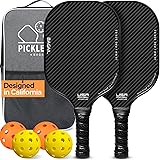
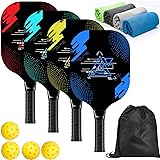
Imagine stepping onto the vibrant pickleball court for the very first time, paddle in hand, ready to experience this exciting and rapidly growing sport. However, a common dilemma for many new players involves selecting the right equipment. Choosing a suitable pickleball paddle can significantly influence your comfort, control, and overall enjoyment during play. The video above provides an insightful overview of a couple of highly regarded pickleball accessories, specifically focusing on paddles that are well-suited for those just starting or looking to enhance their intermediate game.
The quest for the perfect paddle often begins with understanding the various features that contribute to a player’s performance. For beginners and intermediate enthusiasts alike, a balanced paddle is frequently sought after. Such paddles are designed to offer a harmonious blend of power for impactful shots and control for precise dinks near the net. Consequently, knowing what to look for in terms of materials, weight, and grip becomes paramount in making an informed decision about your pickleball paddles.
Choosing the Right Pickleball Paddles for Your Game
Selecting the appropriate pickleball paddles is a foundational step toward improving your on-court performance. Different paddles are engineered with distinct characteristics that cater to various playing styles and skill levels. For instance, a paddle offering excellent control might be preferred by players who prioritize strategy and placement over sheer power. Conversely, those who enjoy aggressive baseline play may gravitate towards paddles designed for maximum power output. Therefore, understanding your personal playing style is crucial when assessing potential paddle options.
The materials used in a paddle’s construction play a significant role in its feel and performance. Most modern pickleball paddles are crafted using composite, graphite, or fiberglass surfaces, each offering unique benefits. Furthermore, the core of the paddle, often made from polymer, Nomex, or aluminum, dictates how the ball interacts with the paddle face. By carefully considering these components, players are better equipped to find a paddle that truly complements their individual needs on the court. It is essential for a thoughtful selection process to be undertaken.
Unpacking Paddle Core Technology: Honeycomb and Nomex
The core of a pickleball paddle is often considered its heart, directly influencing the paddle’s responsiveness and feel. The video highlights paddles featuring both honeycomb and Nomex cores, which are two of the most popular types available. A honeycomb core, typically made from polymer, is praised for its ability to provide a consistent feel and excellent control. This design often allows for a larger sweet spot, which can be particularly forgiving for players still developing their shot accuracy and consistency. Imagine a uniform distribution of energy across the paddle, leading to more predictable shots.
On the other hand, Nomex cores, once the industry standard, are known for their exceptional power and crisp feel. These cores are often made from an aramid fiber material, which provides a denser, harder surface. Consequently, a ball struck with a Nomex core paddle can generate more speed, making it a favorite among players who enjoy driving the ball with force. While potentially offering less vibration dampening than polymer cores, Nomex cores continue to be valued for their robust performance characteristics. It is understood that both core types serve distinct advantages in gameplay.
Paddle Surface Materials: Graphite vs. Composite
Beyond the core, the surface material of pickleball paddles significantly impacts ball spin and touch. Graphite paddles, for example, are typically lighter and offer superior control and feel, making them ideal for precision shots and delicate dinks. This material allows for a thinner paddle face, which often translates to a heightened sense of the ball’s impact. Such attributes are frequently sought by players who prioritize finesse over brute strength in their game.
Conversely, composite paddles, often made from fiberglass or a blend of materials, are generally heavier and known for delivering more power and spin. The textured surface of many composite paddles can help grip the ball, facilitating greater spin on serves and groundstrokes. Therefore, players aiming to add more dynamic effects to their shots frequently choose composite options. The choice between graphite and composite is largely determined by a player’s desired balance of control, power, and spin generation.
Weight, Grip Size, and Handle Length Considerations
The overall weight of your pickleball paddles is another critical factor influencing playability. Lighter paddles, generally weighing between 7 and 7.8 ounces, offer increased maneuverability and faster hand speed at the net. However, heavier paddles, often ranging from 7.9 to 8.9 ounces, typically provide more power and stability, albeit at the cost of slightly reduced reaction time. A careful balance must be struck based on individual preference and physical capability. The Onix Z5, for instance, weighs between 7.8 and 8.7 ounces, offering a versatile range.
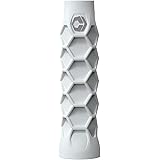
Grip size is exceptionally important for comfort, control, and preventing injuries. An ergonomic grip, like the 4 and 1/2 inch size mentioned for the niupipo paddle or the 4 and 1/4 inch grip on the Onix Z5, ensures a secure and comfortable hold. If a grip is too small, excessive squeezing may be required, leading to fatigue; if too large, wrist action can become restricted. Furthermore, the handle length, such as the 5-inch handle of the Z5, affects two-handed backhands and overall reach. Proper grip selection is indispensable for optimal play.
Beyond Paddles: Essential Pickleball Accessories for Every Player
While pickleball paddles are undoubtedly the most crucial piece of equipment, a comprehensive approach to the sport involves other essential accessories. Having the right supplementary gear can significantly enhance your comfort, safety, and overall playing experience. These additional items often address practical needs on the court, from carrying your equipment to protecting yourself during fast-paced rallies. Consequently, investing in a few key accessories is highly recommended for all players.
Pickleball Balls: Indoor vs. Outdoor
Different pickleball balls are designed for specific playing environments, an often-overlooked detail for beginners. Outdoor pickleball balls are typically harder, heavier, and have smaller holes, making them more resistant to wind and providing a faster, more consistent bounce on hard surfaces. These characteristics ensure that outdoor play is less affected by environmental factors. Conversely, indoor pickleball balls are softer, lighter, and feature larger holes, which results in a slower bounce and a more controlled game on indoor courts. Using the correct ball for your setting is important for consistent play.
Footwear: The Right Shoes Make a Difference
Appropriate footwear is paramount for safety and agility on the pickleball court. Court-specific shoes, designed for lateral movements and quick stops, offer superior ankle support and non-marking soles. Running shoes, while comfortable, often lack the necessary lateral stability and can lead to injuries during sudden directional changes. Imagine trying to make a quick dash for a dink with inadequate foot support. Therefore, investing in dedicated court shoes is a wise decision for players seeking to protect their joints and maintain peak performance.
Bags and Apparel: Organization and Comfort
A dedicated pickleball bag is incredibly useful for organizing and transporting your gear, including your pickleball paddles, balls, shoes, and water bottle. These bags are often designed with multiple compartments, protecting your equipment and keeping it readily accessible. Additionally, moisture-wicking athletic apparel is highly recommended to keep you cool and dry during intense matches. Such clothing helps manage perspiration, ensuring comfort and focus are maintained throughout your playtime, making a noticeable difference to your overall experience.
Eye Protection and Hydration: Safety First
Eye protection, such as sports glasses or goggles, is a vital accessory often overlooked, particularly when playing at faster speeds. A pickleball traveling at high velocity can cause serious eye injuries, making protective eyewear a sensible precaution for players of all levels. Furthermore, staying hydrated is critical during any physical activity, especially in an energetic sport like pickleball. Carrying a reusable water bottle and consuming fluids regularly prevents dehydration, ensuring energy levels are sustained during prolonged periods of play. Safety and health are always priorities on the court.
Ultimately, a well-rounded set of pickleball accessories, starting with the right paddle, significantly contributes to a more enjoyable and successful experience on the court. Each piece of equipment plays a role in your game, from the precision offered by a well-chosen paddle to the safety provided by appropriate footwear and eye protection. Therefore, careful consideration of all your gear is advised, allowing you to focus on developing your skills and having fun.
Dink and Ask: Your Pickleball Accessory Questions
What is the most important piece of equipment for pickleball?
The pickleball paddle is the most crucial piece of equipment, as it significantly influences your comfort, control, and overall enjoyment during play.
What are the main types of cores found in pickleball paddles?
Pickleball paddles commonly feature either honeycomb (polymer) or Nomex cores. Honeycomb cores offer consistent feel and control, while Nomex cores provide exceptional power and a crisp feel.
What is the difference between indoor and outdoor pickleball balls?
Outdoor pickleball balls are harder, heavier, and have smaller holes, making them more resistant to wind. Indoor pickleball balls are softer, lighter, and feature larger holes for a slower, more controlled game.
Do I need special shoes to play pickleball?
Yes, it’s highly recommended to wear court-specific shoes. These shoes provide superior ankle support and lateral stability needed for quick movements and to help prevent injuries.